Your sample is the first opportunity to see how your bespoke bag works with your equipment and in everyday use. Before approving it for production, take time to check the details and put the design to work.
Pack it with the actual kit, carry it fully loaded and involve the people who will use it. Field testing can reveal improvements that are easy to miss on a drawing, from a pocket that needs more room to a zip puller that’s difficult to grip with gloves.
This guide covers the key checks to make and how your feedback can help refine the design before production.
Pack it with the actual kit
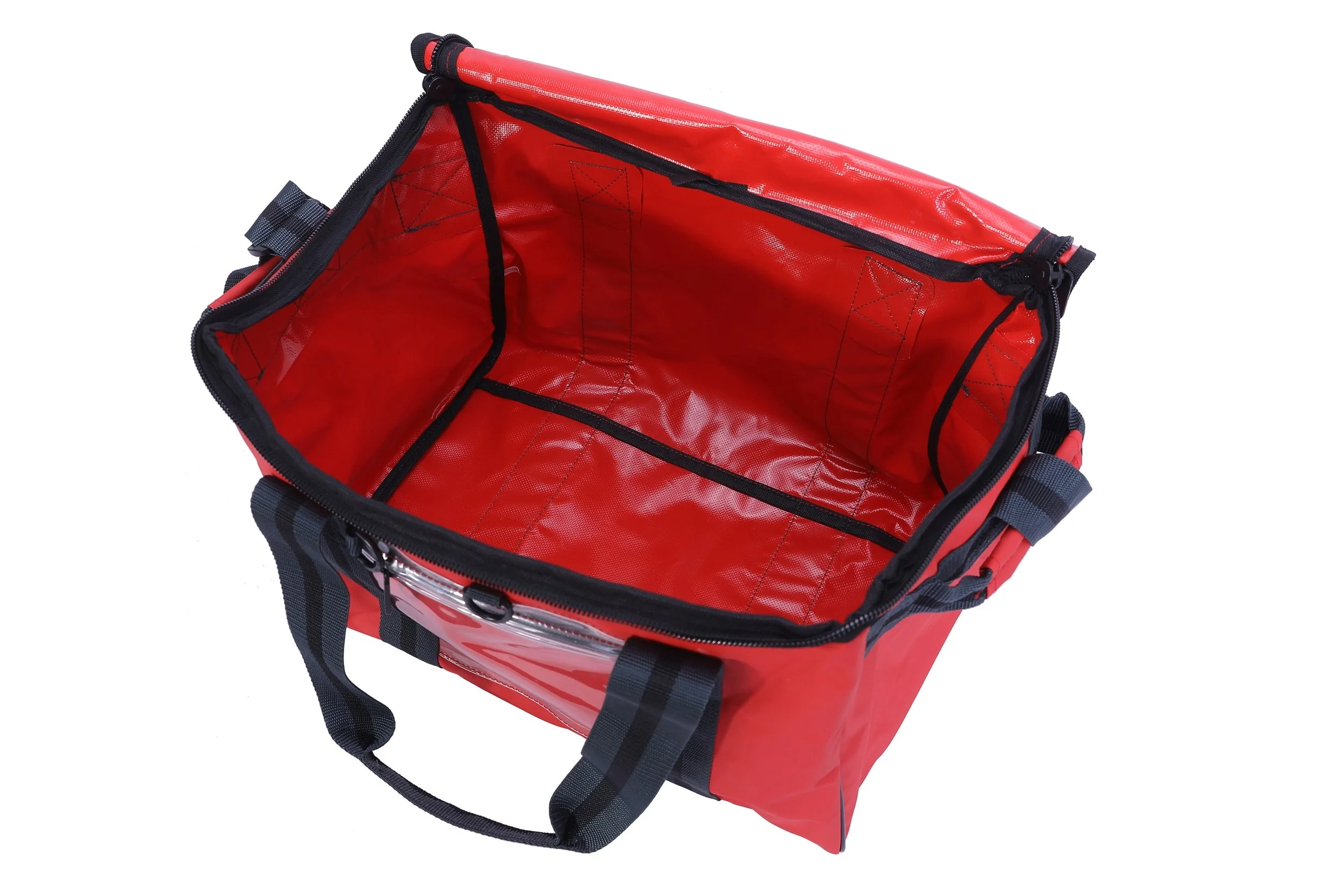
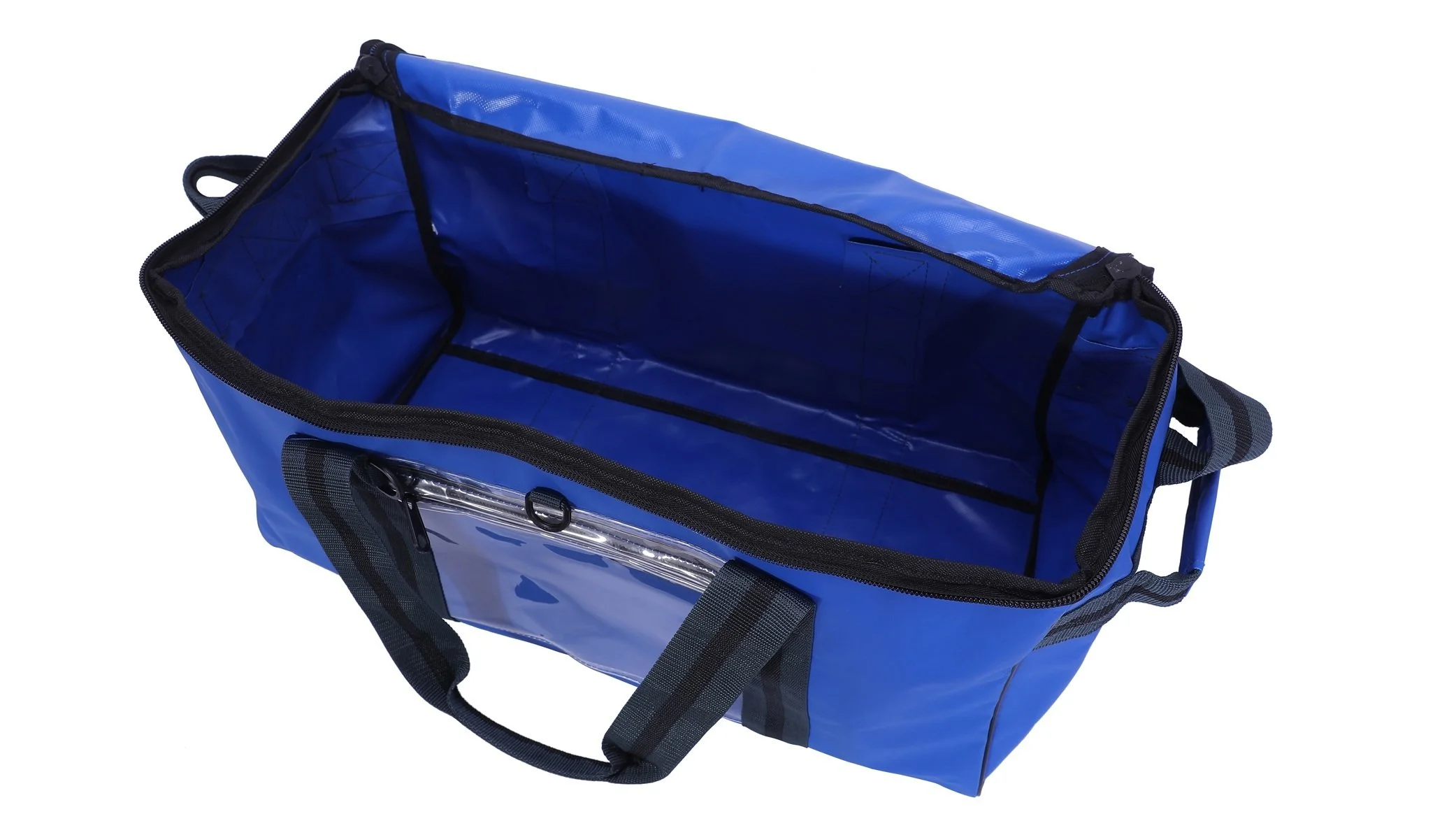
Load your sample with everything it will need to carry, including smaller accessories such as electronic devices, cables and paperwork. Check that each item fits securely and the bag closes without forcing the zip or putting strain on the material.
Then practise taking items out and putting them back. Can you reach frequently used equipment without unpacking everything else? Are pockets and compartments easy to identify and use?
Check the layout against your original brief, too. Make sure all requested features are included and work as intended. Note anything that needs changing, ideally with a photo showing the issue.
Check carrying comfort with a full load
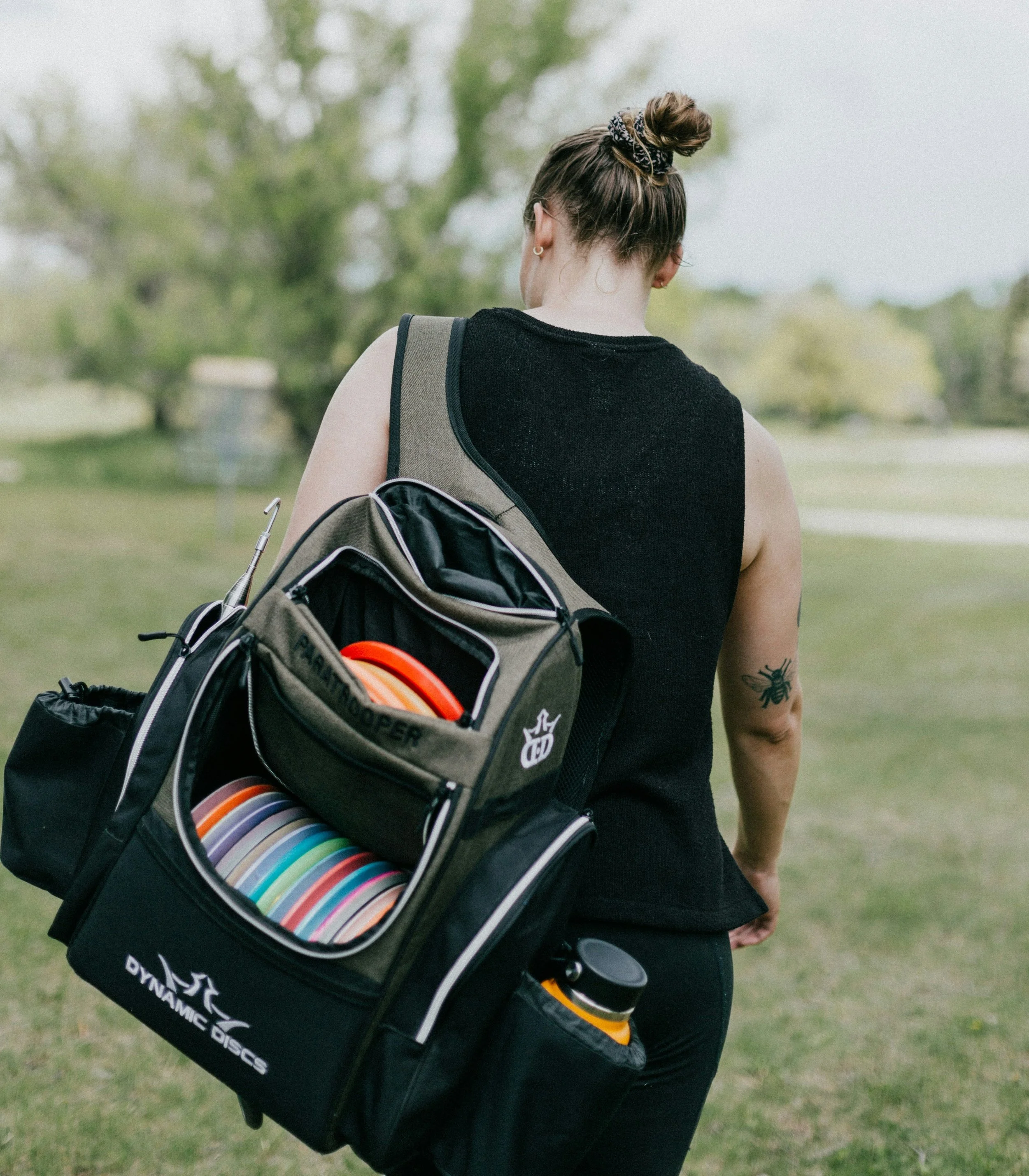
With your kit packed, use the handles and straps as you would during a normal working day. Check that adjustments are easy to make, straps stay in position and the load feels balanced.
Carry the bag for a long and short periods, wearing your usual workwear and PPE, keep notice of whether theres any discomfort, padding shifts or restrictive movement.
Ask the people who will use it to try it too. Feedback from different users can help identify changes to strap length, padding or handle position before production.
Try the openings and features
Open and close each zip with the bag fully packed. Does it run smoothly around corners without catching the lining? Try wearing gloves to check that the pullers are easy to grip and use.
For technical features, consider whether users need instruction labels or clear markings. Note anything that causes confusion.
Check protection in the intended environment
If water resistance is part of your brief, feel free to test as desired. Check potential entry points around zips, seams and openings, using dry absorbent material inside rather than valuable equipment.
Let us know early about any standards or specific testing requirements your product needs to meet. Field trials help assess everyday performance, while formal testing may be needed to verify specific protection or suitability claims.
Share feedback before signing off
Bring together feedback from your team and customer’s end users. Photos, short videos and specific examples help us understand what needs adjusting.
Arrange a feedback session with us to review your findings, agree changes and identify anything that needs checking again.
Taking time to review the sample together helps ensure the final design reflects how your team will actually use it..